Sound Art Practice & Acoustic Ecology and Civic Advocacy within my air and landfill pollution projects
As a sound and radio artist, I employ acoustic ecology principles to map landscapes of environmental air pollution and degradation, my key influences in thi area is Hildegard Westerkamp whose acoustic ecology is aptly described as relational, subjective and experiential I have writen about her work as one of my case studies in my PhD.
“Some biologists have made it their calling to use their special knowledge and education to look at the natural world from the ecological perspectives. Why then should composers and musicians not make it their calling to use their special knowledge and education to listen to the world from the ecological perspective?” Hildegard Westerkamp , 2002
In my case I have employed an expanded form of radio and sound art and have been translating localised, invisible pollution into tangible sensory experiences. My creative outputs function as auditory evidence, capturing the physical realities of environmental mismanagement through rigorous fieldwork and research and personal accounts:
- Don’t Listen Up (2022): Commissioned for the Whitstable Biennale was a collaboration with Peter Coyte, this sound installation mapped the ecological precarity of East Kent’s marine, terrestrial, and atmospheric zones. The work integrated field recordings from the Shelford Landfill site in Canterbury, capturing the low-frequency electromagnetic hum of electrical pylons, the mechanical din of heavy machinery, and the distinct acoustic signatures of escaping methane gas. It situated the landfill within a broader regional matrix of environmental neglect, exposing Southern Water’s untreated sewage discharges and a 70-year-old coastal fly-tip unburied by erosion.
This field work was heavily signposted by text rather than narration and relayed as at 5.1 journey.
Pedagogical Frameworks & The Radio Air Garden
My artistic interventions are grounded in academic scholarship. Holding a practice-based PhD in expanded radio art from the University of the Arts London (CRISAP), my research evaluates the personal impact of such heavy industry on communities in high-density residential areas :
- Socio-Spatial Research: In my capacity as an Independent artist and Honorary Senior Researcher at Canterbury Christ Church University, my research investigates the environmental injustices that occur when large-scale waste management infrastructure is positioned contiguous to high-density, working-class residential areas, such as the St Stephens, Hales Place, St Stephens, Broad Oak and Sturry in Canterbury.
- The Radio Air Garden Project: My deep immersion in landfill field data directly catalysed the genesis of the Radio Air Garden project. Encountering noxious, unmonitored atmospheric landfill gases—most notably hydrogen sulphide (H₂S), the toxic air pollutant responsible for corrosive foul odours and acute respiratory irritation—during fieldwork necessitated a creative, bio-acoustic response to airborne hazards. Operating as an ongoing installation series—with exhibitions at Windmill Hill City Farm in Bristol (2024) and Kulturhus Björkboda in Finland (2025–2026)—the project merges acoustic ecology with botanical science. Utilising air-filtering and pollinating flora, the project revives historical concepts of “electroculture.” It integrates passive copper wire antennas designed from radio transmitter coils to harvest atmospheric electricity to stimulate plant growth, attract pollinators, while simultaneously transmitting participatory audio art focused on air quality. Under this umbrella project I am also creating a series of sound works about Landfill, internationally interest came quickly, I was featured on an podcast recorded for Reina Sofia National Museum Madrid at its inception and made a short film for an NYC group show.
- I also started in earnest an ongoing series of works on air pollution which so far has culminated with
- Wastelands: Walleys Quarry (2025) : In response to the pervasive atmospheric odour impacting my local community in Canterbury and elsewhere in the UK, I started researching landfill issues in the UK and developed this immersive, 360-degree radiophonic documentary to audit the wider British crisis of mismanaged waste infrastructure. Supported by Screen South, Arts Council England, and the UK Government, the project features a bespoke score composed by acclaimed musician Mieko Shimizu, whose instrumentation interweaves directly with my field records and the raw personal accounts of community members living with severe landfill air pollution.
- Rather than treating the work as an exercise in abstract data, the soundscape relies on deep-dive qualitative interviews.
- The resulting compositions were presented at the WinterSound Festival and the Reveal exhibition in 2025 in Berlin and on Radiophrenia and a forthcoming exhibition at the Beaney Museum.
- In 2024, I also conducted multi-site field records and collected lived testimonies at the Dunbar landfill in Scotland and Bury landfill in Manchester, structurally archiving the struggles of residents adjacent to heavy waste facilities, with plans to record several others around the UK, in the future for another commissioned sound work on the topic and have been seeking funding to take it forward.
- Long Wave (2023): Produced during a radio art residency at CAMPfr, this work directly investigates the dispersion of microplastic pollution drifting high above the Pyrenees mountains. The piece utilises a specific segment of the radio spectrum to give a physical sound to airborne plastic fibres dancing on the wind—mapping their global migration like long-wave signals echoing the chorus of waste over London and Paris streets. Curated alongside an international, multi-lingual radiophonic poem trail, it explores how atmospheric particles mirror the omnipresence of electronic and physical waste.
- Asset Dump (2025): Produced as a virtual interactive extended reality (XR) project for the Unfolding Worlds lab showcase. Built using Unreal Engine with a soundtrack collaborated on alongside Peter Coyte and Hélène Williams, this educational interactive piece simulates landfill mechanics, chemical breakdowns, and the industrial hazards of plasterboard fires, while critiquing digital waste streams.
- The Source (2026): Recorded at Camp FR in the Pyrenees, this soundscape poem traces the environmental water cycle, starting at the summit with a handmade Aeolian harp and concluding as evaporation carries human industry, microplastics, and atmospheric pollution back into the air. The project received its first national terrestrial broadcast nationally on BBC Radio 6 Music during an 8-minute practice feature and broadcast and streamed on Radiophrenia.
Creative Activism & Policy Interventions
For me, civic advocacy became a direct extension of my current research-led art practice in air pollution. Through the Change.org platform, I spearheaded community-led petition against the expansion of the Shelford Landfill site, operated by Valencia Waste Management:
- Challenging Regulatory and Corporate Frameworks (2024–2025): In March 2024, I coordinated community feedback against retrospective planning application KCC/CA/0235/2023, challenging the operator’s installation of an industrial waste plant without prior consultation or regulatory approval and tracking the companies compliance issues at other sites in the UK.
- By December 2025, I itemised operational compliance failures to oppose Permit Variation Application EPR/XP3434HX, formally contesting the Environment Agency’s (EA) stance that doubling the site’s annual capacity to 500,000 tonnes did not constitute a “substantial change.”
- Auditing Corporate Portfolio Non-Compliance & H₂S Under-Recording: Alongside localised structural objections, my research highlighted broader corporate governance issues.
- I flagged a documented non-compliant track record across Valencia Waste Management’s wider portfolio, drawing public and regulatory attention to a pattern of operational failures at their other regional sites—including industrial landfill fires, failure to execute statutory land restoration, and unmitigated odour infractions in Derby and Manchester and week long fire in Dunbar.
- My ongoing research has highlighted how the systemic and ongoing regulatory flaws, specifically highlighting how Environment Agency equipment under-recorded toxic hydrogen sulphide emissions at industrial sites for years like Walley’s Quarry, is effectively masking the true scale of community exposure.
- Leveraging Long-Term Documentation for Direct Accountability: A core element of my methodology has been the systematic archiving of chronic infrastructural failure.
- Across several years, I documented and reported the collapse of the landfill’s perimeter fencing at Shelford. utilising my Change.org petition and videos to consistently track and expose these structural breaches which were not being fixed and added to my concern. By highlighting this multi-year archive, physically bringing the Environment Agency down to engage with the public. They shared concerns and admitted they were chronically understaffed, finally this then engaged national and regional press to more seriously report.
- I set up and chaired an extraordinary community forum at St Stephen’s Community Centre, calling the EA’s Area Environment Manager to answer direct public accountability questions. The EA increase concerns as they admitted they lacked capacity and staff to oversee as well as they would like.
- Following this capacity-crowd meeting, in June 2026. I co-founded Shelford Landfill Action Group SLAG as an open forum of Facebook, with fellow residents. This group transitioned our efforts from a petition model into a structured civil advocacy collective preparing for potential legal and regulatory challenges. Bridging the gap between grassroots concern and regulatory authorities.
- Valencia Waste Management were publicly shamed by an article in a Telegraph following that EA meeting and the landfill became the lead news story on BBC news in I was interviewed and found my self fronting a story I had heard in other areas, one I hoped could have been avoided in Canterbury if regulators and council had been fit for purpose. This press forced the company to repairi the perimeter security fences along the known breaches that the company had left down and ignored for five consecutive years even though myself, councillors, MP and the Environmental Agency had raised the issue across that time to them directly over that period.
The Landfill Gas-Powered AI Data Centre:
- On 21 July 2026 at the Canterbury City Council Planning Committee meeting at the Guildhall. Speaking in opposition to an application by Era4 (formerly Carbon3.ai) to build a landfill gas-powered AI Data Centre at the site. This raised critical concerns regarding transparency and structural conflict of interest, revealing that the exact same company directors overseeing Valencia’s non-compliant environmental track record were behind this new data infrastructure development.
- At the meeting argued that expanding utility control to these figures for an infrastructure asset with intense, poorly defined resource dependencies could trigger severe localised power surges on an already unstable regional grid which stopped water pumps working this year and could also jeopardise critical water infrastructure without robust regulation in place, some which has been lacking in both the sewage and landfill issues in the UK.
- My testimony and five other objections given, there was no one in favour of the AI planning at the meeting, prompted the planning committee to defer their decision pending an official site inspection. The first planning site inspection was cancelled as the company would not allow site access to the council. It’s now planned for 10th Oct and another planning meeting is forthcoming. Again an unprecedented act that no one was allowed on site for the site visit.
This unexpected new focus by the current operators Valencia Waste Management prompted me to start researching into possible AI Data centre issues related to this site and further work I am sure will be forthcoming on this topic.
I was invited to showcase sound art work and projects today on BBC 6 Music in August 2025, they aired an 8 min feature and interview on my work in this area to date.
I am actively seeking funding for my next creative sound work on the subject, as before it’s a longer struggle to get commissions for this work then more palatable subjects I find. I am currently researching the future of landfill with plans to make another sonic documentary on the subject. I am curating an 8 week exhibition at the Beaney Museum in Canterbury titled ‘Wasted’ featuring 10 artists around this theme, which will showcase the previous works and incorporate a new work in progress.
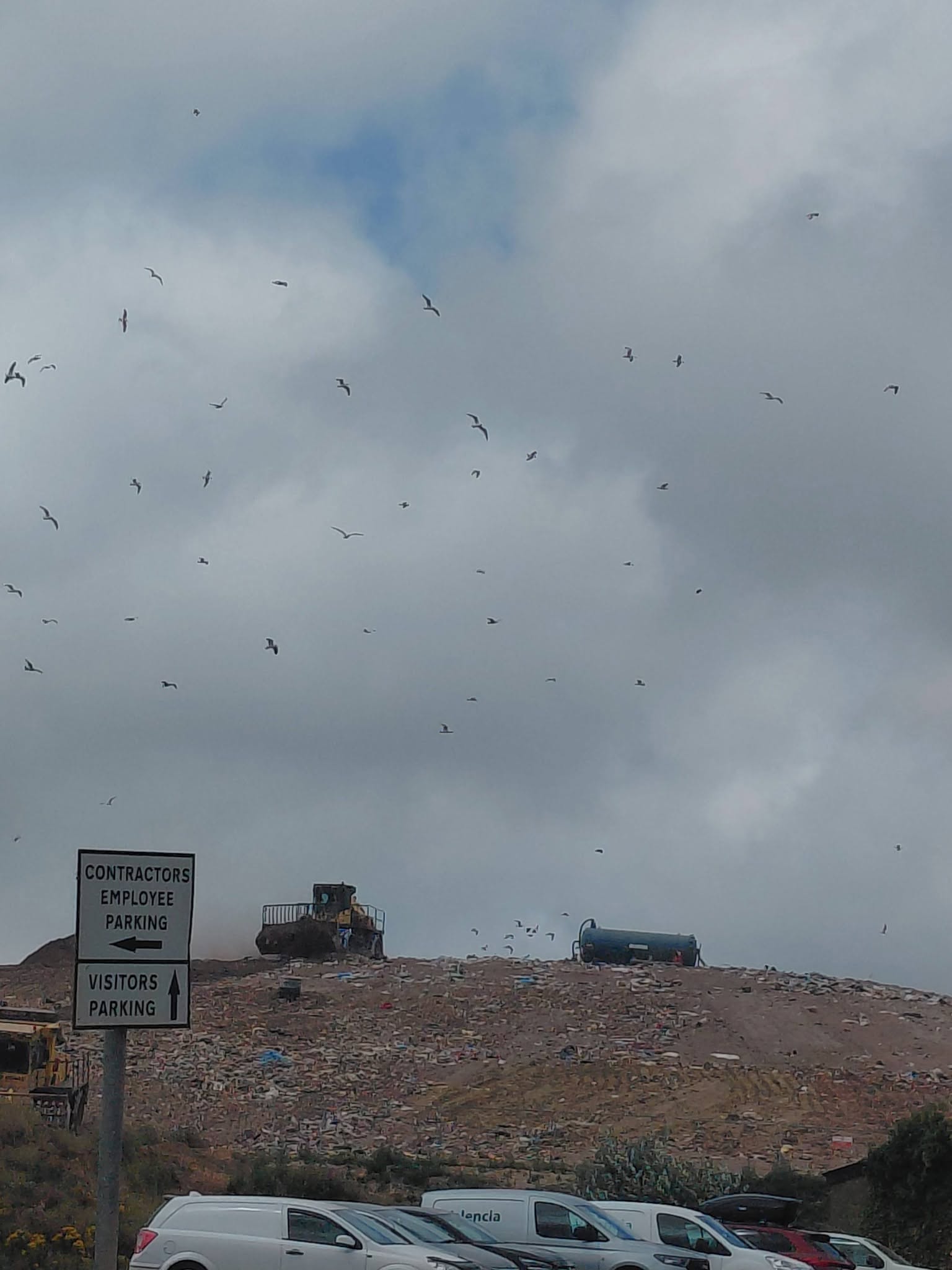
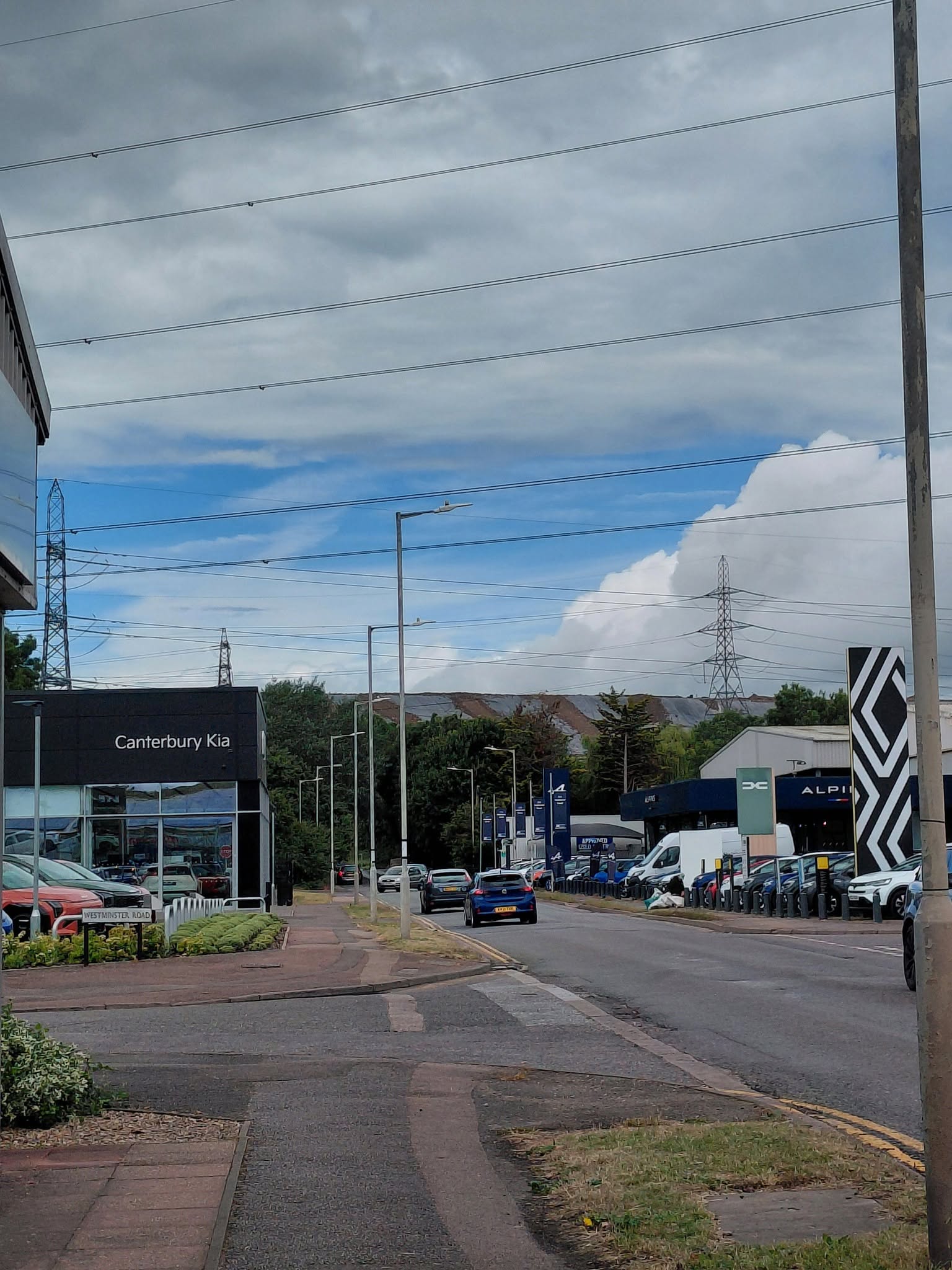
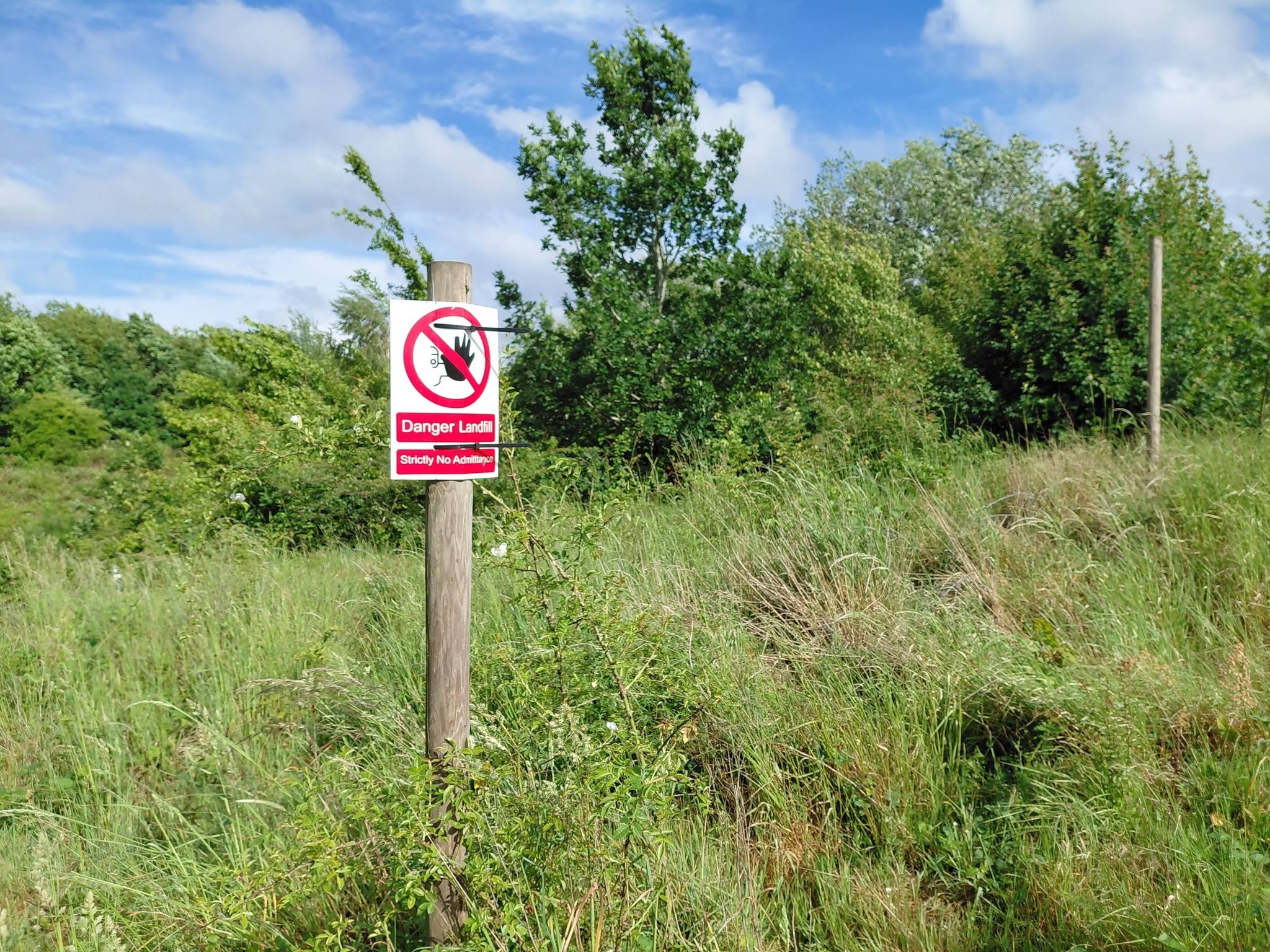
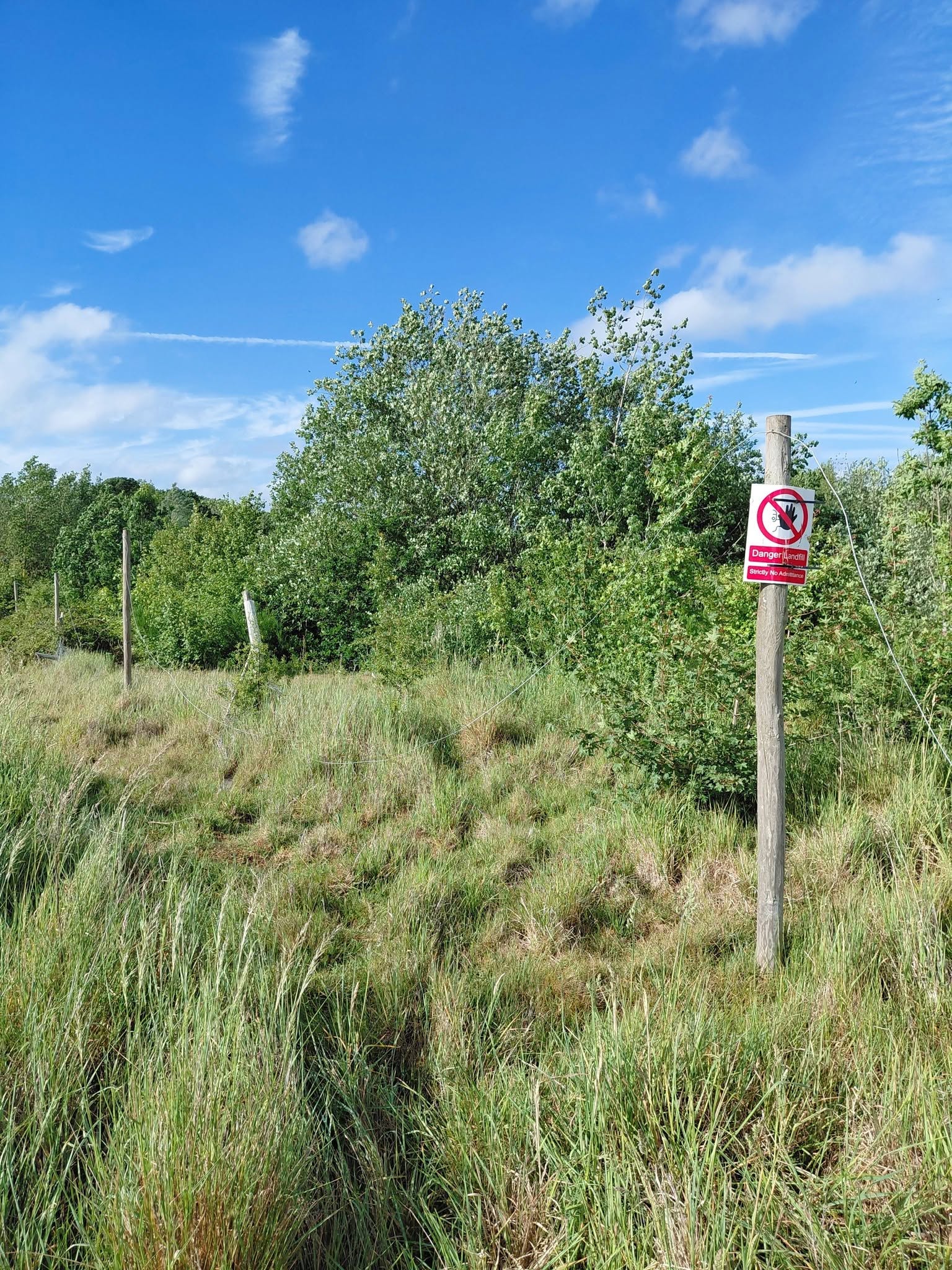
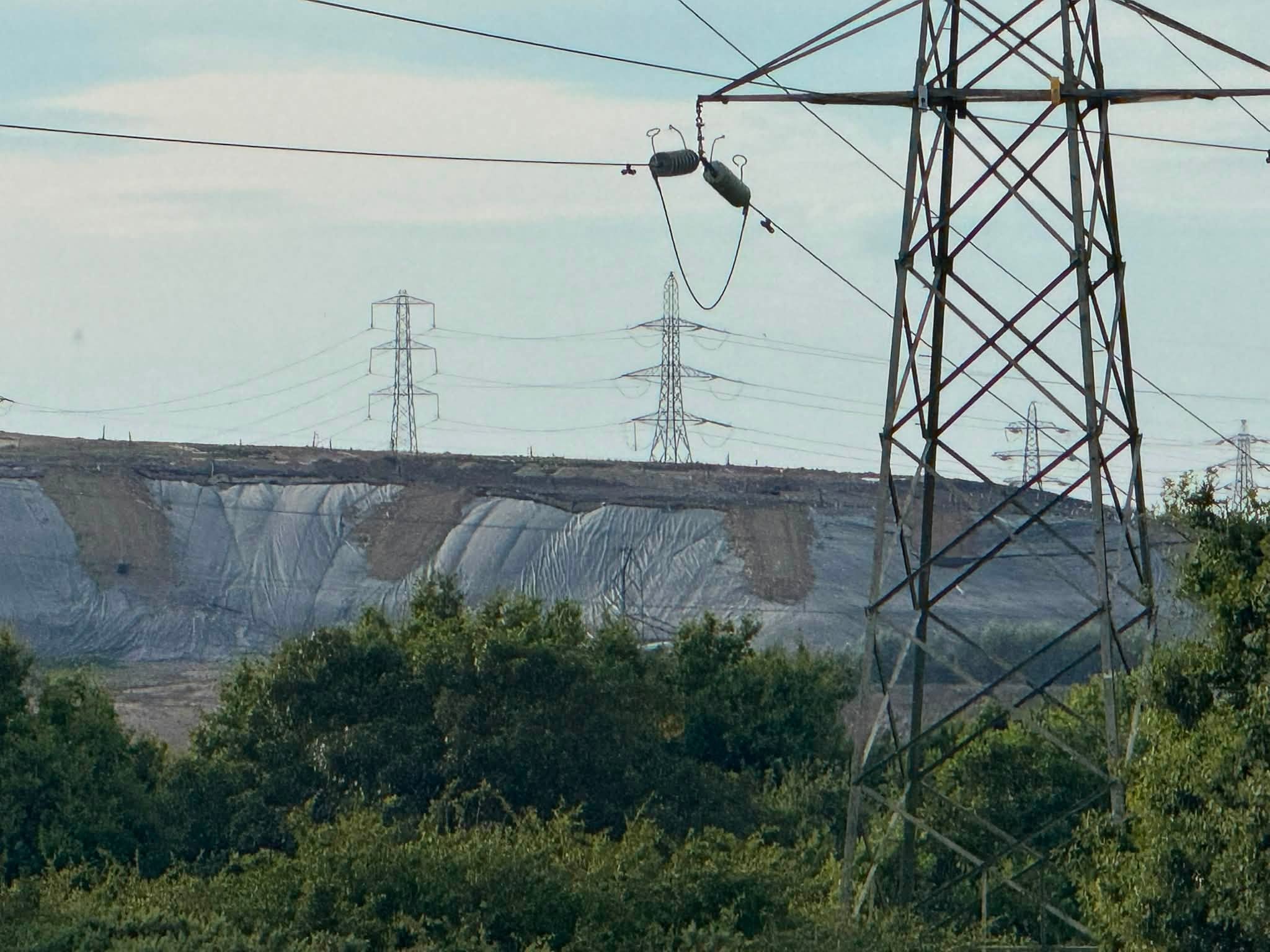
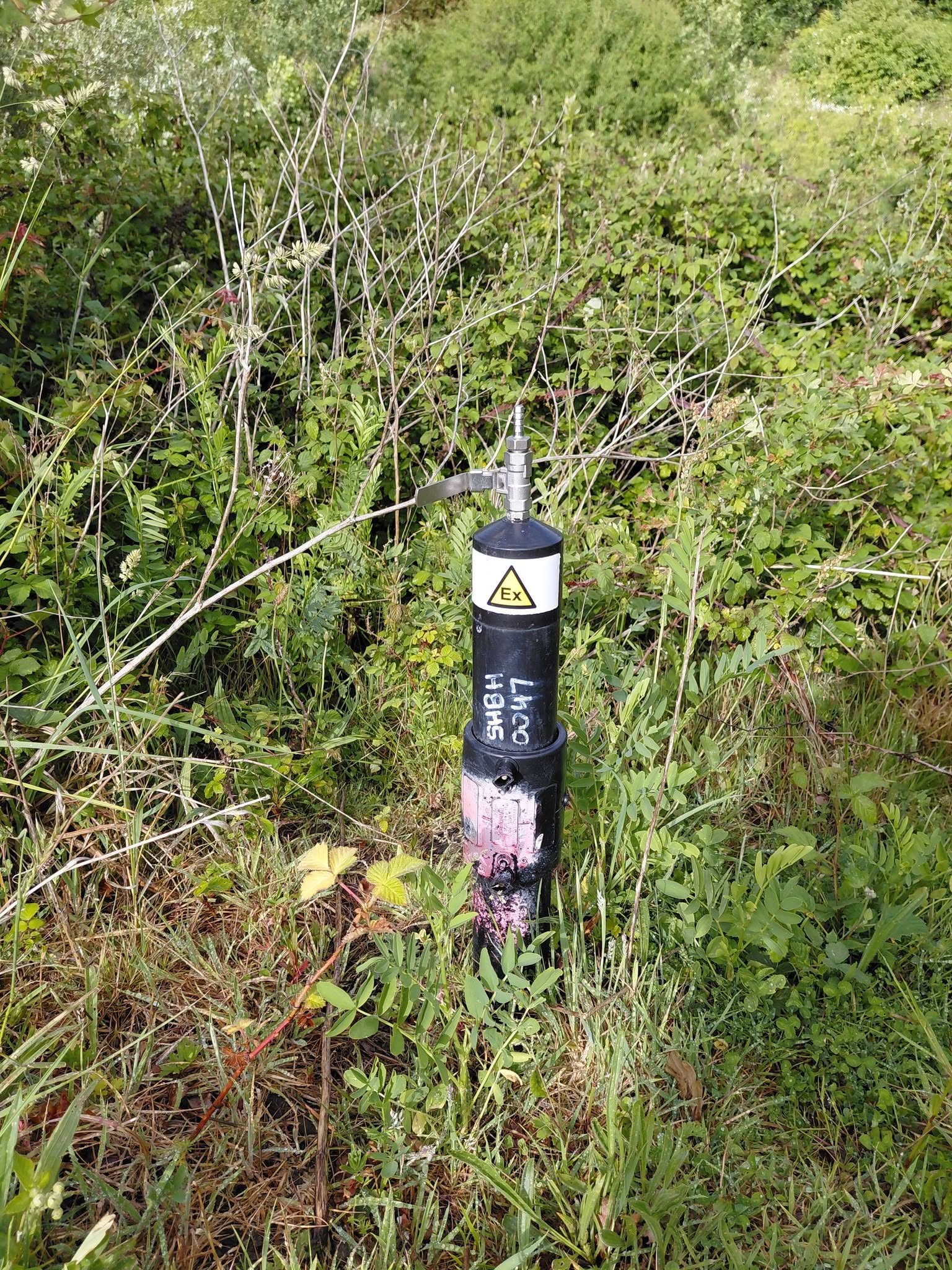
2026 Photos of Shelford Summer at landfill meeting with MP the dust blew at us and covered all the cars and road which was not sprayed while we were there. The landfill is now very tall and can be seen from outside of M and S, people working at one of the car dealerships told me and a reporter they had to applogise to customers about the stink when they took them outside to view new cars. The fences when they were down for five years anyone could walk in and turn on the gas canister pump pictured.
Whilst recording in Dubar the dust was not only foul it choked me and made site recording very dangerous, which made my XR Asset Dump project a way of taking people to such places with out the danger.


You must be logged in to post a comment.